
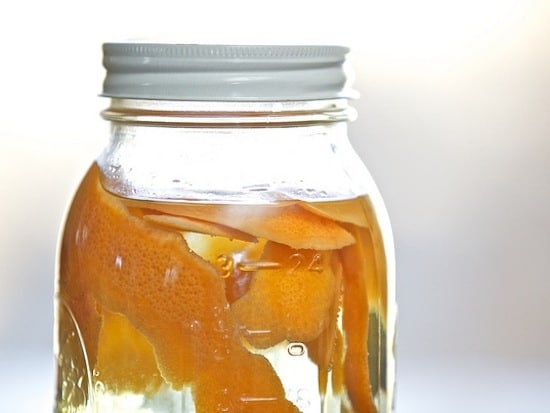
Specialty vinegars make up a category of vinegar products that are formulated or flavored to provide a special or unusual taste when added to foods. Specialty vinegars are favorites in the gourmet market.
Balsamic Vinegar
Consumers have a variety of high-quality Balsamic Vinegars available to them for purchase and use.
- Balsamic Vinegar of Modena* – Traditional and Commercial (PGI)
- Traditional Balsamic Vinegar of Reggio Emilia
- Domestic Balsamic Vinegar Produced in the U.S. & North America
*Balsamic Vinegar not produced in Modena cannot use the term “of Modena” on its label. The protections afforded by the “Balsamic Vinegar of Modena” appellation refer to geographical restrictions of grape growing and processing and provide guidelines for ingredients and production techniques, based on historical practices.
Storage: Balsamic Vinegars have a very long shelf life and can be stored in a closed container indefinitely. It is suggested to store the product at 4 – 30°C (40-86°F), but refrigeration is not required. Exposure to air will not harm the product, but may cause “mothering,” which causes the solids to filter out. Some sedimentation is normal for a product that contains a high level of soluble solids (as with the aged products), but the sedimentation will disappear when the bottle is agitated.
Uses: Salad dressings, sauces and gravies benefit from the addition of Balsamic Vinegar. Sprinkle on cooked meats to add flavor and aroma; season salad greens, strawberries, peaches and melons; use as an ingredient in your favorite salad dressing.
Malt Vinegar
Malt vinegar is an aged and filtered product obtained from the acetous fermentation of distilled infusion of malt and is a good example of vinegar originating from cereals. Malt is the result of grain softened by steeping in water and allowed to germinate. Germination causes the natural enzymes in the grain to become active and help digest the starch present in the grain. The starch is converted into sugars prior to fermentation. Malt has a distinctive flavor that contributes to the flavor of malt vinegar and brewed beverages such as beer.
Uses: Malt vinegar is popular for pickling, especially walnut pickles. It is most famous as the companion to fish and chips. Any English recipe calling for vinegar typically uses malt vinegar unless otherwise noted. There are recipes using malt vinegar on the Recipe page.
Red Wine Vinegar
Red wine vinegar is made from red wine. Producers allow the red wine to ferment until it turns sour. Once fermentation is complete, the vinegar can be strained or bottled, or is aged. The longer the vinegar ages, the more muted the flavor becomes. Red wine vinegar can be aged up to two years before bottling. Even after purification and straining, a minuscule amount of sediment will remain at the bottom of the bottle. Red wine vinegar can be used in salad dressings and sauces, pickling, slow food and cooked in reductions to make sauces.
Raspberry Red Wine Vinegar
Natural raspberry flavor is added to red wine vinegar which is the aged and filtered product obtained from the acetous fermentation of select red wine. Raspberry red wine vinegar has a characteristic dark red color and a piquant, yet delicate raspberry flavor.
Uses: Sprinkle raspberry vinegar on fruit salads; use as a marinade or basting sauce for meats; use as an ingredient in your favorite salad dressing, or use by itself on salads or cooked vegetables
Rice Vinegar
Rice or rice wine vinegar is the aged and filtered product obtained from the acetous fermentation of sugars derived from rice. Rice vinegar is excellent for flavoring with herbs, spices and fruits due to its mild flavor. It is light in color and has a clean, delicate flavor. Widely used in Asian dishes, rice vinegar is popular because it does not significantly alter the appearance of the food.
Uses: Dash over salads, add to a quick stir-fry dish with ginger or liven up vegetables and fruits.
White Wine Vinegar
White wine vinegar is the aged and filtered product obtained through the acetous fermentation of a selected blend of white wines. It is clear and pale gold, almost colorless. The taste is distinctly acidic, and the aroma reminiscent of the wine from which it comes.
Uses: White wine vinegar can be used to bring out the sweetness in strawberries and melons, add a twist to spicy salsas and marinades and wake up the flavor of sauces and glazes. This product is perfect for today’s lighter cooking style — replace heavy cream or butter with a splash of white wine vinegar to balance flavors without adding fat. The tart, tangy taste also reduces the need for salt. See our Recipes page for ideas on how to use white wine vinegar.
Other Specialty Vinegars
Coconut and cane vinegars are common in India, the Philippines and Indonesia with date vinegar popular in the Middle East.